



This New HSK 3.0 study guide will help you navigate the 2026 exam changes and master the cumulative vocabulary required for success. The HSK (Hanyu Shuiping Kaoshi) is the most widely recognized Chinese proficiency exam for learners worldwide. With the New HSK 3.0 rolling out globally in July 2026, it’s more important than ever to understand how the exam format and expectations are changing — and how to study effectively for both current and future versions.
This guide keeps the clear, step-by-step structure of the original version while updating it with practical insights from the New HSK framework.
1. Understand the Exam Format and Level Requirements
Before studying, know which version of the HSK you are preparing for: Old HSK 1–6 (Until July 2026): Listening, Reading, Writing (from HSK 3+)
Vocabulary targets (approximate):
- HSK 1: ~150 words
- HSK 2: ~300 words
- HSK 3: ~600 words
- HSK 4: ~1,200 words
- HSK 5: ~2,500 words
- HSK 6: ~5,000 words
New HSK 3.0 (From July 2026): Nine total levels (Levels 1–9, grouped into elementary, intermediate, and advanced). Vocabulary is counted cumulatively up to the target level. Approximate cumulative words (examples):
- Level 1: ~300 words
- Level 2: ~500
- Level 3: ~1,000
- Level 4: ~2,000
- Level 5: ~3,600
- Level 6: ~5,400
- Levels 7–9: ~11,000 by Level 9
In one sentence: Vocabulary is cumulative and much more practical, Stronger focus on real-life language use, and Computer-based testing is the norm.
Understanding these targets helps you plan how many hours and what resources you need — especially since the New HSK’s structure emphasizes real-world language use and practical vocabulary. That’s why you should pay more attention to listening, speaking, and real usage, not just test tricks.
2. Create a Structured Study Plan
A solid study schedule is foundational. Planning tips:
Set daily, weekly, and monthly goals with clear targets (e.g., vocab count, listening scores). Balance your study across skills: Listening, Reading, Writing, and Speaking, Vocabulary & grammar. For exams after July 2026, include New HSK leveling expectations in your plan. Meanwhile, spend extra time on weak skills, especially listening.
Example Daily Routine (intermediate):
- 30 min – Listening (dialogues, podcasts, HSK audio)
- 45 min – Vocabulary (SRS flashcards)
- 45 min – Reading (graded texts or exam-style passages)
- 30 min – Writing or speaking practice
✔ Consistency matters more than long study sessions
✔ The New HSK rewards steady, long-term accumulation
Consistency beats intensity — regular review is key.
Note: Because the New HSK mixes recognition and cumulative vocabulary, target vocabulary review carefully to cover the words required at your test level.
3. Focus First on Core Vocabulary and Characters
Vocabulary is the backbone of every HSK level.
Best practices:
- Use spaced repetition systems (like Anki, Pleco, or Memrise).
- Categorize vocab by topic (e.g., daily life, business, travel).
- Practice both recognition and production.
New HSK nuance: The New HSK distinguishes recognition characters from writing characters. Handwriting becomes important from Level 5+ — earlier levels focus primarily on recognition and comprehension. And Vocabulary increasingly reflects modern life (technology, services, daily interactions).
4. Master Pinyin and Tones Earlier
Many listening problems come from weak pronunciation basics. Strong pinyin and tones help you:
- Catch details in the listening section;
- Type characters correctly, especially in computer-based tests;
- Speak more confidently and naturally.
- Spend time shadowing native audio and mimicking rhythm and tones.
5. Build Listening Skills Daily
Listening comprehension is often the most challenging part, especially in the New HSK, where natural speech and real-life usage are emphasized.
Daily methods:
- HSK-level audio recordings (old and new);
- Podcasts with transcripts, or short news clips; TV dramas or dialogues at your level.
The aim is to recognize meaning, intention, and key information, and familiarity with varying voices and contexts.
6. Read Widely and Strategically
Reading not only improves comprehension and reinforces vocabulary, but also improves grammar and exam speed.
Suggested reading material:
- Graded readers by HSK level;
- Short news articles;
- HSK-style reading exercises;
- Chinese language apps with built-in comprehension.
7. Practice Writing (and Speaking) Regularly
Writing isn’t just hand execution — it supports lock-in grammar and character recognition. Effective writing habits:
- Short daily paragraphs on common topics;
- Sentence building with new vocabulary;
- Practice exam-style tasks once your basics are solid.
For higher levels, focus on:
- Clear structure,
- Logical flow,
- Natural expression (not overly complex sentences)
Handwriting practice (especially from Level 5 up in the New HSK). Use real past papers (old HSK) or mock exercises (New HSK)
8. Take Mock Exams — Early and OftenMock exams are useful after you have a vocabulary and skill foundation.
Why they matter:
- Familiarize yourself with timing and format.
- Identify strengths/weaknesses;
- Practice under timed conditions
Before July 2026: Use current HSK mock exams. After July 2026: Seek New HSK 3.0 mock tests as they become available, aligned with the new levels.
9. Use Technology and Multimedia Tools Wisely
Apps and online tools make learning interactive:
- Flashcards and SRS apps for vocabulary;
- Interactive reading apps with instant definitions;
- Audio libraries for listening;
- Online tutors or language exchange partners for speaking
10. Stay Motivated and Adjust as You Go
Learning Chinese and preparing for the HSK is a marathon, not a sprint.
Practical Motivation Tips:
- Study every day — even 20–30 minutes helps.
- Track progress (vocab count, mock scores, fluency).
- Join study groups or language communities.
- Reward milestones (e.g., mastering 500 new words).
Adapt and adjust your plan as you progress — especially important if you change your target, and this is normal.
Balanced daily study across all skills. Focus on vocabulary and mock tests aligned with your target exam. Whether you take the old HSK before July 2026 or the New HSK after, your effort builds real cultural and language proficiency — good luck!!!
More info about new HSK 3.0: https://www.mandarinzone.com/new-hsk-test/
#Chineselearning #mandarin #HSK #Edtech #education #languge #lifelonglearning
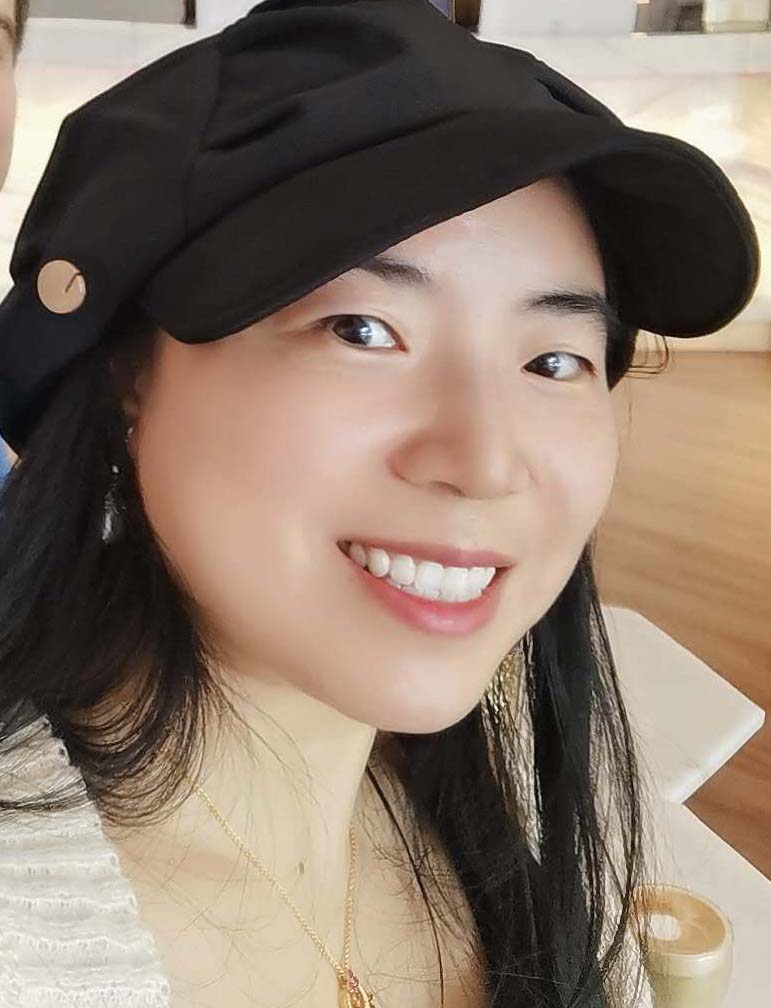
Rose Fu is a global education strategist and leader with extensive experience building partnerships across education, government, and industry. She specialises in connecting institutions, international schools, professionals, and communities through cross-border education initiatives, government collaboration projects, and strategic engagement programs.
Her work spans K–12, IB, A-Level, IGCSE, HSK, YCT, and adult education, with a focus on student-centered learning, leadership development, and cross-cultural collaboration. Fluent in English and Mandarin, with intermediate German proficiency, she facilitates international partnerships that create meaningful educational and commercial impact.
Passionate about youth entrepreneurship, lifelong learning, and global engagement, she designs innovative programs that empower students, educators, institutions, and communities to thrive in an increasingly interconnected world.